
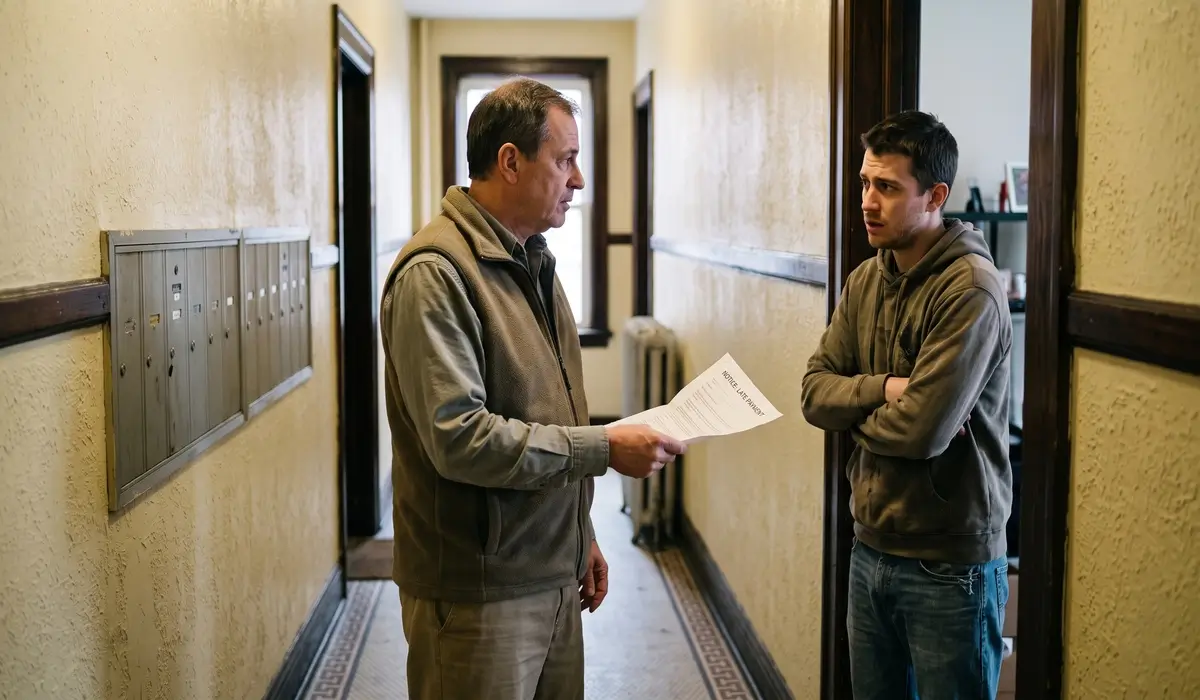
A late rent payment gets excused once. Then it happens again, and by the third time, an owner in Chicago realizes there's no record of any of it, just a vague sense that something's been off for a while.
PMI Windy City sees this pattern constantly, and it rarely starts as anything dramatic. A skipped step during tenant screening, a maintenance request nobody followed up on, or a guest who never got added to the lease. Small gaps like these are usually where bigger problems trace back to.
Key Takeaways
- Small rental issues in Chicago rarely stay small once they're left unaddressed.
- Late rent that goes undocumented tends to repeat and worsen over time.
- Skipped screening steps at move-in often resurface as bigger problems later.
- Maintenance delays can turn cheap fixes into expensive repairs.
- A structured tracking system helps owners catch warning signs while they're still manageable.
When Rent Payments Start Slipping
A single late payment feels like a minor inconvenience. The trouble starts when it happens again, and then a third time, and an owner realizes there's no written record of any of it.
Illinois has specific requirements landlords must follow before pursuing eviction, and a missing paper trail can slow the process down considerably. Owners who build a consistent system protect themselves far better than owners who rely on judgment calls about which tenants seem trustworthy.
Building a Simple Documentation Habit
- Send written notice as soon as a due date passes.
- Log every partial payment and promise to pay, with dates attached.
- Apply the same notice timeline to every tenant, regardless of how long they've lived there.
- Move to formal notice once a set threshold, such as two missed payments, has been crossed.
Owners who want a clearer sense of what formal protection looks like can review the eviction protection steps built specifically for Chicago rental owners.
Lease Violations That Seem Too Minor to Mention
An unregistered pet. A guest who quietly becomes a full-time occupant. A parking complaint that keeps coming up. None of these feel urgent the first time, but every violation an owner lets slide makes the next one easier for a tenant to justify.
- Pets kept without notice or an updated deposit.
- Guests who transition into long-term residents without being added to the lease.
- Recurring noise or parking complaints that never get a formal response.
- Unauthorized changes made to a unit without prior approval.
The scale of this pattern shows up nationally too, since landlords across the country filed 1.23 million eviction cases in 2025, and a meaningful share of those disputes started with a violation this small. A consistent, written response to every lease violation keeps small issues from compounding into something a court eventually has to sort out.
Maintenance Requests That Sit for Too Long
A repair that gets pushed back rarely stays a small job. What starts as a quick fix often turns into something structural once it's been ignored, and in a dense rental market like Chicago, a delayed repair can affect more than one unit in a building.
| Issue Reported | What Happens If It Sits |
|---|---|
| Water stain on the ceiling | Drywall softens, mold spreads behind the surface |
| Weak air conditioning in early summer | Unit fails completely during a heat wave |
| Running toilet or dripping faucet | Utility bills climb, flooring or cabinets warp |
Owners often underestimate how quickly a minor repair snowballs once it's been reported and forgotten, especially when a building has multiple units sharing the same plumbing or electrical systems.
Screening Decisions That Resurface Months Later
Many of the problems owners deal with today actually trace back to decisions made before a lease was ever signed. A rushed application review or a skipped credit check can place a difficult tenant in a unit, and the difficulty often doesn't show up right away.
A thorough process that verifies income, rental history, and credit reduces the odds of placing a tenant who generates repeated issues down the line. Reviewing what a rental portfolio's performance looks like after the first year often makes clear how much of that outcome was set at move-in.
Recognizing When Self-Management Stops Working
Some owners reach a point where managing a rental on their own starts costing more time than it saves. A few signals tend to show up together, and once an owner notices two or three at once, it's usually worth stepping back to look at the bigger picture.
Vacancies take longer to fill than they used to, maintenance requests pile up faster than they get resolved, and tenant communication starts feeling reactive instead of organized. Understanding a Chicago landlord's guide to the basics, including deposits and documentation, often makes it clear how much groundwork goes into managing a property well.
Managing Without a System in Place
Owners handling a property solo often don't catch a problem until it's already serious, mostly because there's no single place where payment history, maintenance calls, and lease violations get recorded. That gap shows up in the numbers too, since a recent industry benchmark reviewing more than 680,000 work orders found that general maintenance requests took a median of 14.8 days to close, long enough for a small issue to turn into a much bigger one.
PMI Windy City helps owners close that gap through structured tracking of maintenance services and lease compliance across every property we manage. A free rental analysis can also highlight gaps an owner might not have noticed yet.
FAQs about Tenant Issue Escalation in Chicago, IL
What's the first thing I should document when a tenant issue starts to feel like a pattern?
Start with dates and copies of every notice sent. A timeline showing when an issue began and how you responded matters more than memory once a dispute moves toward formal action.
Does adding a new occupant without telling me count as a lease violation in Chicago?
Yes, if the lease requires disclosure of all residents. Unapproved occupants can affect insurance coverage and occupancy limits, so addressing it in writing protects you if the situation escalates later.
How do I know if a maintenance complaint is serious enough to require immediate action?
Anything involving heat, water, electrical hazards, or structural damage needs same-day response under Chicago code. Cosmetic or minor issues can typically wait a few business days without creating liability.
If I skipped a background check on a tenant, is there anything I can do now?
You can't retroactively screen someone, but you can document behavior going forward and enforce lease terms consistently. Future leases should include a thorough check to avoid repeating the gap.
What records should I keep if I think a tenant relationship is heading toward a dispute?
Keep every written communication, payment record, and maintenance request tied to that unit. A complete file makes it far easier to respond quickly if the situation requires legal involvement.
Small Decisions Add Up to Big Outcomes
Chicago's rental market moves fast, and the owners who come out ahead are usually the ones who deal with small issues while they're still small. A missed payment, a quiet lease violation, or a repair that keeps getting pushed back rarely fixes itself.
PMI Windy City gives owners the screening, documentation, and follow-through to catch these moments before they turn into something bigger. Talk to our eviction team if a situation on your property already needs attention.
